IT and Cybersecurity After You Buy a Business
We help ETA operators stabilize inherited IT, close high-risk gaps in the first 90 days, and move from reactive cleanup to a managed operating program. We work with operators nationwide.
Still evaluating a deal? Start with our IT Due Diligence Questionnaire for searchers.
What shows up after close is usually bigger than one issue
Post-close technology work is rarely one fix. You may inherit aging hardware, inconsistent end-user devices, unclear backup practices, undocumented networking, unsupported software, messy Microsoft 365 administration, or a phone system that no one really owns.
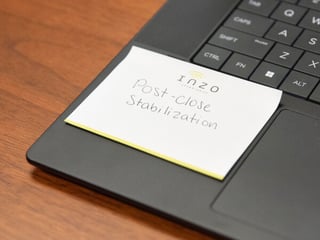
Our post-close support starts with stabilization. We help operators get control of the current environment, reduce obvious exposure, and prioritize what needs attention now against what can improve over time. Most of this work happens remotely, which is why we support operators across the country rather than one region.
What ETA operators usually need first
Visibility into the Environment
Get control of what you actually inherited.
Get clear on sites, systems, hardware, vendors, software, backup, networking, directory, and communications. The goal is to actually understand what was inherited before making any big changes.
Stability and Resilience
Reduce the issues most likely to disrupt work.
Address practical issues across support, backup, remote access, firewalls, endpoint management, email administration, and operational continuity.
A Prioritized Roadmap
Turn inherited tech debt into a manageable plan.
Break inherited technical debt into a post-close plan with clear priorities so operators can make progress without being pulled into every issue at once.
A practical post-close timeline
We sequence the work so operators reduce the biggest risks first and build toward a stable operating baseline.
Days 1 to 30:
Establish control
Inventory users, devices, accounts, and vendors. Rotate admin credentials. Enforce multi-factor authentication on Microsoft 365 and remote access. Confirm backups are actually running. Identify anything supporting critical operations that is out of support or out of warranty.
Days 31 to 60:
Close high-exposure gaps
Deploy managed endpoint protection, harden email filtering, validate firewall rules, document the network, and transition seller-era vendor relationships to operator ownership.
Days 61 to 90:
Build the roadmap
Align hardware lifecycle, licensing, continuity planning, and policy to the operator's plan for the business. Move from stabilization to a standing managed program.
What usually shows up in an inherited environment
Most acquired small and mid-sized businesses were not built for today's threat landscape. The patterns we see are consistent across deals:
- Microsoft 365 admin accounts with no multi-factor authentication and shared credentials
- Firewalls past end-of-life or out of support contracts
- Backups configured years ago with no recent restore test
- A password spreadsheet or shared vault that the prior owner controlled
- An MSP relationship with unclear scope, no runbook, and ambiguous ownership of identity
- Endpoints running mixed antivirus tools, sometimes none at all
- No written incident response plan and no cyber insurance documentation on file
- Line-of-business software two or three versions behind, running on unsupported servers
The good news is that most can be addressed inside the first 90 days with the right sequencing.
The risk window right after close
Acquired businesses face elevated cyber risk in the first 90 days after a transaction. Ownership is changing, credentials are turning over, the prior MSP may be disengaging, and employees are adjusting to new leadership. Threat actors look for exactly these conditions.
Post-close stabilization reduces that window by bringing identity, endpoint, email, network, and backup controls under active management before opportunistic risk becomes a real incident.
How post-close support connects to the full program
Most operators need ongoing support across the same capability areas they inherited gaps in.
Managed IT Support covers help desk, endpoint support, user onboarding and offboarding, vendor coordination, and day-to-day issue resolution across the environment.
Network Infrastructure covers firewalls, wireless, switching, VPN, and site-to-site connectivity, along with the topology documentation most acquired environments lack.
Cybersecurity Services cover identity, endpoint protection, email security, and the policy layer that governs how the business handles and protects data.
Security Operations provides 24/7 monitoring, detection, and response that most acquired small businesses do not have and cannot staff internally.
Data Protection and Recovery covers backup validation, offsite protection, restore testing, and continuity planning, often the biggest gap in inherited environments.
Voice and Communications covers cloud phone systems, on-premise voice support, call flow planning, and multi-site communications cleanup that fits alongside IT work.

Built from real ETA operator support
Inzo Technologies has supported dozens of ETA operators through the handoff from diligence to day-to-day execution. That work includes inherited infrastructure cleanup, Microsoft 365 and email administration, resilience improvement, cybersecurity remediation, vendor coordination, and communications support.
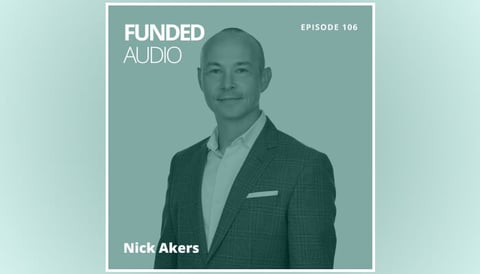
Catch Nick's ETA journey with Inzo Technologies
Nick Akers joins Funded Audio with Brian Wolfe to share his path through search and acquisition and the transition from STL Communications to Inzo Technologies.
Frequently Asked Questions
The first 30 days are about establishing control. That includes inventorying users, devices, accounts, and vendors, rotating admin credentials, enforcing multi-factor authentication on Microsoft 365 and remote access, confirming that backups run and restore successfully, and identifying anything supporting critical operations that is out of support or warranty.
Admin credentials should be rotated and centralized as one of the first post-close tasks. That includes Microsoft 365 global admin accounts, firewall and network device passwords, remote access tools, line-of-business application admin accounts, and any shared vendor portals.
Ideally, credentials move into a business-grade password vault with role-based access rather than a spreadsheet or a single person's head.
It depends on scope, performance, and ownership. Some sellers had a strong MSP relationship worth continuing. Others had an underscoped arrangement, unclear accountability, or a handshake setup with someone leaving after close. We help operators evaluate the existing provider, document what is actually in place, and decide whether to extend, supplement, or replace the relationship based on facts.
Cyber insurance usually needs to be reviewed during and after a transaction. Policies may not transfer cleanly, coverage may depend on security controls that no longer exist or were never verified, and renewal questionnaires typically require proof of specific protections. Post-close, operators should confirm coverage, review the control requirements in the policy, and close any gaps before renewal.
This is common in owner-led businesses and one of the first risks we help operators close. The priority is documenting what exists, capturing any knowledge still available during transition, rotating credentials the prior owner held, and establishing a managed operating model so institutional knowledge lives in documentation and a support team.
Yes. Inzo often helps during stabilization and continues as the long-term technology partner across IT and cybersecurity, as well as voice services. That gives operators one partner across the full technology stack and a consistent operating model as the business grows.
Yes. If the diligence process surfaced issues around hardware age, backups, networking, communications, email, or business dependencies, Inzo can turn those findings into a post-close action plan. If you are still in diligence, start with our IT Due Diligence Questionnaire for searchers.
Bring inherited technology under control after close
We help ETA operators organize the environment, reduce risk, and build a practical post-close IT plan that supports the business instead of distracting from it.